Food Is Medicine: A Practical Grocery List for Wisconsin Families
March is National Nutrition Month, and at Pillar Health and Kenosha Community Health Center (KCHC), our message for 2026 is clear: Food Is Medicine.
The food we place in our grocery carts has the power to prevent disease, support mental health, strengthen immunity, and help our children grow. In Wisconsin, where heart disease, diabetes, and obesity remain serious health concerns, improving diet quality is one of the most effective ways to protect long-term wellness.
According to the Wisconsin Department of Health Services, obesity rates have been rising for decades. Wisconsin statistics are consistent with national averages, with data showing that 68 percent of Wisconsin adults are affected by excess weight. Thousands are diagnosed with diabetes each year, and heart disease remains a leading cause of death statewide. Many of these conditions are strongly influenced by what we eat.
The good news is that food can work in our favor. And it starts with one grocery trip at a time.
Food Is Medicine: What That Really Means
Food does more than satisfy hunger.
- Fiber lowers cholesterol and stabilizes blood sugar.
- Omega-3 fats support brain function and reduce inflammation.
- Calcium and vitamin D protect bone health.
- Lean protein preserves muscle and strengthens immunity.
- Fruits and vegetables reduce the risk of heart disease and certain cancers.
- Adding herbs and spices during cooking is a healthy alternative to salt.
Break The Snack Food Habit
Snack foods are often loaded with empty calories, meaning they provide lots of energy from sugar or fat but very few essential nutrients the body actually needs. Chips, candy, and many packaged treats typically lack vitamins, minerals, fiber, and protein, so they don’t keep you full or support long‑term health. Because these foods are engineered to be very tasty, it’s easy to overeat them, which can crowd out more nutritious options. Over time, relying on empty‑calorie snacks can contribute to low energy, poor diet quality, and weight-related issues.
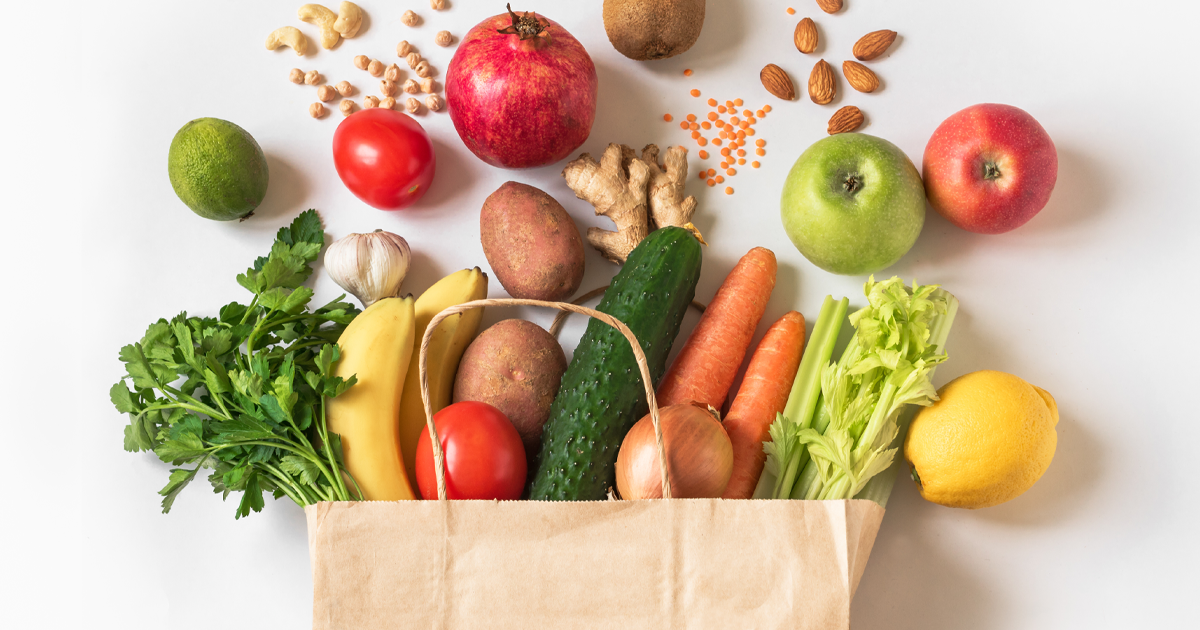
Instead of overhauling everything, start by adjusting what goes into your cart.
Your Family Grocery List by Age
Nutrition needs shift as we move through life. Here is a practical, decade-by-decade guide to shopping with health in mind.
Practical Changes for Southeast Wisconsin Families
Healthy eating does not require expensive specialty foods. Many powerful options are affordable and accessible:
- Canned beans
- Frozen vegetables
- Brown rice
- Oatmeal
- Eggs
- Seasonal produce
Start with one simple shift:
- Replace sugary drinks with water.
- Add one vegetable to dinner.
- Swap white bread for whole grain.
- Replace chips with nuts or fruit once per day.
Small changes create lasting impact.
Youth Nutrition Matters

In Southeast Wisconsin, many children rely on school meals for daily nutrition. Families can support healthy growth at home by:
- Keeping fruit washed and visible on the counter
- Preparing simple, balanced breakfasts with protein and fiber
- Encouraging water as the first drink choice
- Cooking together as a family
Nutrition affects classroom performance, emotional regulation, and long-term health.
Why One Small Change Creates Big Results
Small changes align with how the brain forms habits. Once a healthier choice becomes routine, it creates momentum.
Research shows:
- Swapping one unhealthy snack for a healthier option can reduce daily calorie intake significantly.
- Increasing fiber can improve cholesterol levels within weeks.
- Adding regular physical activity improves mood and focus the same day.
You do not need a complete lifestyle overhaul. You need one steady step.
Pillar Health’s Commitment to Food Is Medicine

At Pillar Health and Kenosha Community Health Center, we provide whole-person, whole-family care across Southeast Wisconsin.
Whether you need:
- Nutrition counseling
- Diabetes screening
- Pediatric wellness visits
- Preventive care support
- Chronic disease management
Our teams are here to help you build sustainable, realistic health habits for every stage of life.
Ready to Take the First Step?
Call any of our Southeast Wisconsin locations to schedule an appointment:
Pillar Health Kenosha Clinic: (262) 771-1700
KCHC 14th Avenue Kenosha Clinic: (262) 771-1688
KCHC 22nd Avenue Kenosha Clinic: (262) 771-0070
KCHC 2nd Street Silver Lake Clinic: (262) 771-1963
Pillar Health Racine Clinic: (262) 771-0035
Food is medicine. What you put in your cart today can protect your family’s health for decades to come.
Food Is Medicine
FAQ for Wisconsin Families

What does “Food Is Medicine” mean?
Food Is Medicine means using nutritious foods to prevent, manage, and improve chronic health conditions. A balanced diet can reduce the risk of heart disease, diabetes, high blood pressure, and obesity while supporting mental health and immune function.
What are the healthiest foods to buy at the grocery store?
Healthy grocery staples include:
- Fruits and vegetables, fresh or frozen
- Whole grains like oatmeal and brown rice
- Lean proteins such as chicken, fish, eggs, and beans
- Low-fat dairy or fortified plant milk
- Nuts, seeds, and olive oil
These foods support heart health, brain function, digestion, and long-term wellness.

How does nutrition affect children’s health?
Good nutrition supports brain development, focus in school, strong bones, immune health, and emotional regulation. Children who eat balanced meals with protein and fiber are less likely to experience energy crashes and mood swings.
What foods help prevent heart disease?
Foods that protect heart health include:
- Oats and whole grains to lower cholesterol
- Leafy greens and colorful vegetables
- Fatty fish like salmon for omega-3 fats
- Beans and lentils for fiber
- Nuts and seeds for healthy fats
Reducing processed foods and added sugars also lowers heart disease risk.

How can I eat healthy on a budget in Wisconsin?
Affordable healthy options include:
- Canned or dried beans
- Frozen vegetables
- Oatmeal
- Eggs
- Seasonal produce
- Brown rice
Planning meals and cooking at home helps reduce food costs while improving nutritional quality.
At what age should nutrition priorities change?
Nutrition needs shift across life stages:
- Infants and children need protein, calcium, and healthy fats for growth.
- Teens require iron, protein, and whole grains.
- Adults should focus on fiber, heart-healthy fats, and lean protein.
- Older adults need more protein and calcium to preserve muscle and bone strength.
Your healthcare provider can help tailor nutrition guidance to your stage of life.

Do not wait to schedule your appointment.
Kenosha Community Health Center has many appointment options in Kenosha and Silver Lake to meet your needs.
Schedule An Appointment