
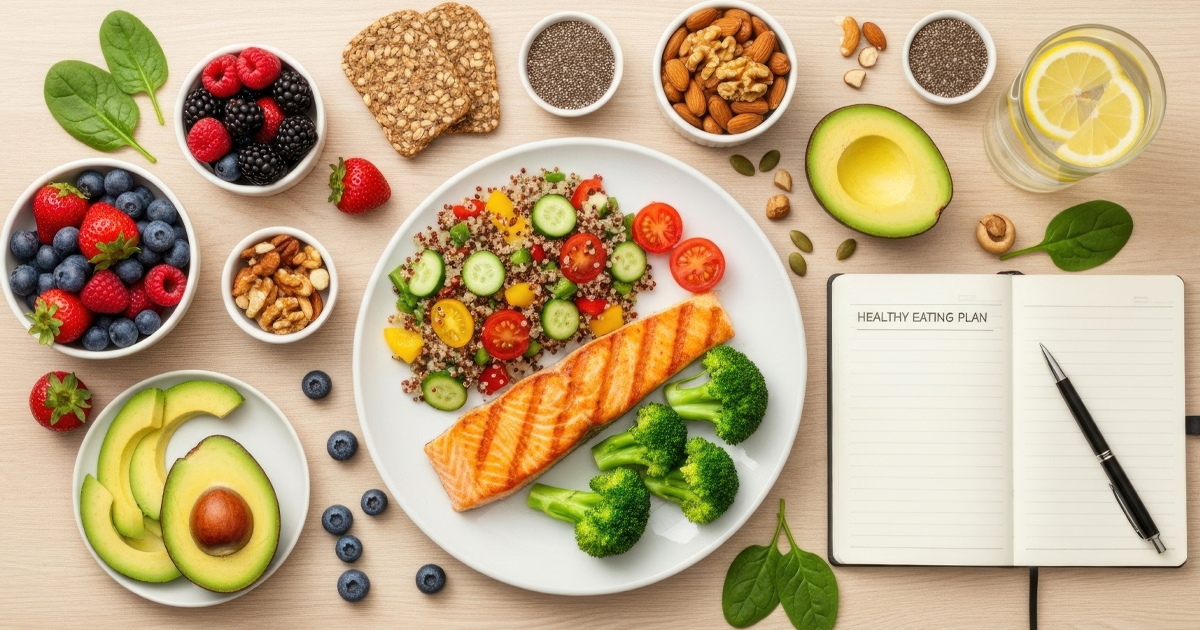
Managing diabetes isn’t about following a strict “diet.
It’s about building a sustainable way of eating that supports your health, fits your lifestyle, and helps keep your blood sugar in range.
“Diet” is a tricky word that can carry a lot of emotional weight. It often feels temporary or restrictive. Instead, healthcare professionals focus on meal patterns. This means when, what, and how much you eat over time to support long-term health.
The key takeaway: There is no one-size-fits-all eating plan for diabetes.
That’s especially true here in Southeast Wisconsin, where access to fresh foods, cultural traditions, and busy schedules all play a role in how we eat.
Diabetes in Wisconsin: Why It Matters Here
Diabetes is becoming more common across Wisconsin, affecting individuals, families, and communities throughout Southeast Wisconsin, according to the Wisconsin Department of Health Services.
- About 1 in 11 people in Wisconsin lives with diabetes
- Some communities are affected at significantly higher rates:
- 1 in 10 Native American individuals
- 1 in 7 African American individuals
- 1 in 5 Hispanic individuals
These differences are not simply the result of individual choices. They are strongly influenced by social, environmental, and systemic factors such as access to healthy foods, safe places to be active, healthcare, and economic stability.
Across Southeast Wisconsin, these realities highlight why community-based nutrition support, education, and access to care are essential to improving diabetes outcomes.
Start with a Simple Framework: The Diabetes Plate Method
According to the American Diabetes Association, one of the easiest ways to build balanced meals is the Diabetes Plate Method. It removes guesswork and helps with portion control using foods that are accessible in local grocery stores and markets.
Visualize your plate:
- ½ plate: Non-starchy vegetables (broccoli, green beans, peppers, cabbage, salad greens)
- ¼ plate: Lean protein (chicken, fish, eggs, beans, tofu)
- ¼ plate: Carbohydrates (potatoes, corn, whole grains, fruit, dairy)
This approach works whether you’re cooking at home, eating at a local restaurant, or preparing quick meals for your family.
Food Is Medicine, Not Restriction
The goal isn’t to eliminate the foods you love. It’s to:
- Make informed choices
- Build balanced meals
- Create habits that last
With the right support, healthy eating can be practical, affordable, and sustainable.
Take the First Step Toward Better Health
Pillar Health and Kenosha Community Health Center are dedicated to making healthy eating accessible for all. Whether it’s through nutrition counseling, community food programs, or education initiatives, we are here to support individuals and families on their wellness journey.
Schedule your next appointment at one of our convenient locations:
Call to schedule an appointment:
- Pillar Health Kenosha Clinic: (262) 771-1700
- KCHC 14th Avenue Kenosha Clinic: (262) 771-1688
- KCHC 22nd Avenue Kenosha Clinic: (262) 771-0070
- 2nd Street Silver Lake Clinic: (262) 771-1963
- Pillar Health Racine Clinic: (262) 771-0035
For nutrition support, community resources, or to schedule an appointment, we’re here for you.
What Should You Eat? Focus on Nutrient-Dense “Superstar” Foods
Rather than focusing on restriction, it’s more helpful to emphasize foods that deliver the most nutritional value and are commonly available in Wisconsin.

Build a Sustainable Meal Pattern
Healthy eating with diabetes isn’t about perfection. It’s about consistency.
Strong meal patterns include:
- Eating at regular times
- Balancing carbohydrates with protein and fat
- Including fiber-rich foods
- Watching portion sizes