
Great American Smokeout | November 19, 2026
Quitting smoking isn’t easy, but every step toward a smoke-free life is a step toward better health. This November, the Great American Smokeout offers an opportunity to make a plan, find support, and take control of your future.
Whether you smoke cigarettes, vape, or use nicotine/tobacco pouches, you don’t have to make the journey alone. Pillar Health and Kenosha Community Health Center (KCHC) are committed to helping individuals and families throughout Southeast Wisconsin make informed decisions about their health.
About the Great American Smokeout 2026
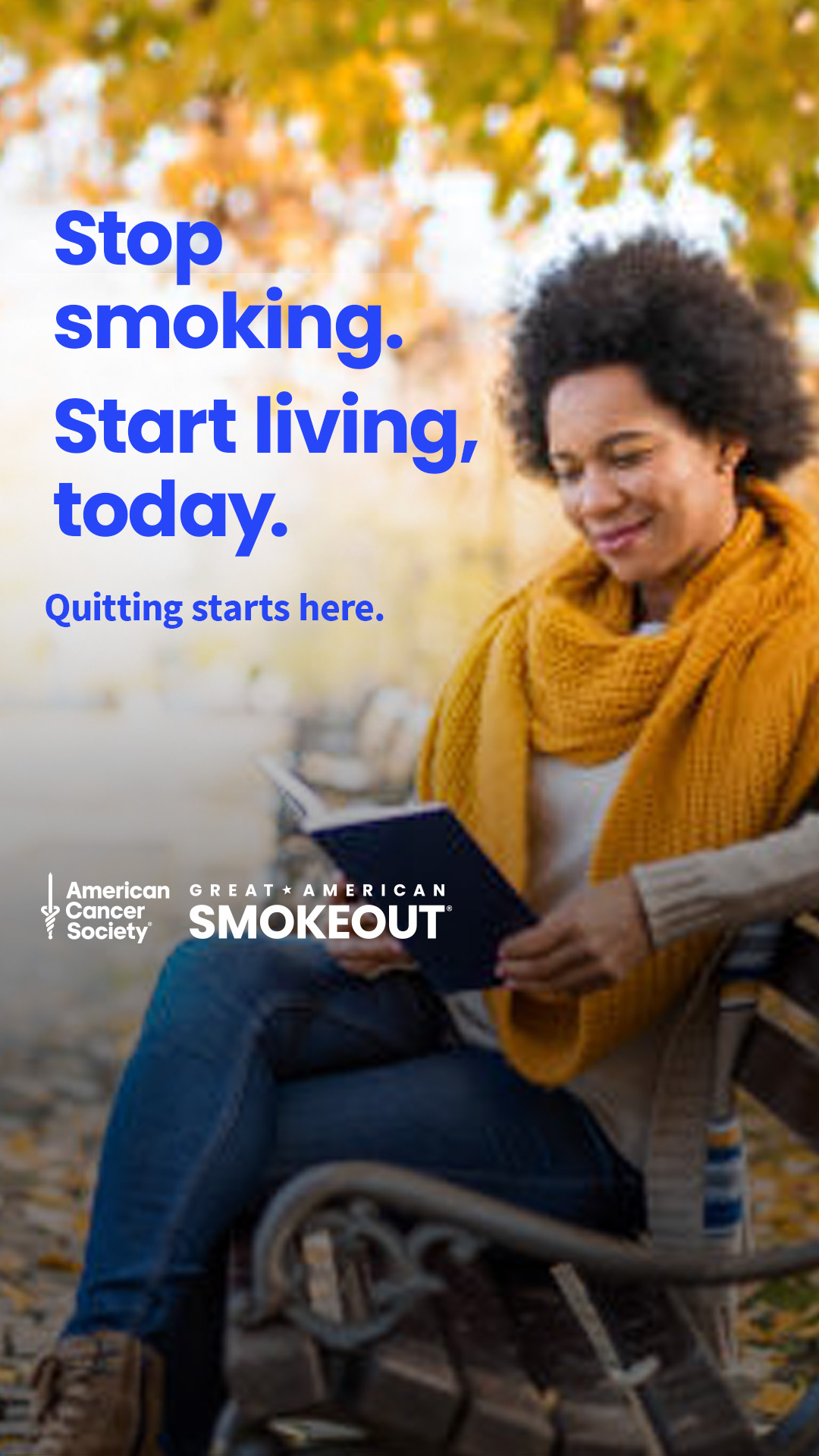
Every year, the American Cancer Society encourages people across the country to take the first step toward quitting tobacco through the Great American Smokeout.
- When: Thursday, November 19, 2026
- Purpose: Encourage people who smoke or use tobacco to develop a quit plan, explore available resources, and begin their journey toward a healthier, tobacco-free life.
The message is simple: You don’t have to quit in one day. Start with day one.
Quitting can be challenging because nicotine in tobacco and vape products is highly addictive. However, research shows that combining counseling with approved medications that stop cravings for nicotine can double or even triple the chances of successfully quitting.
Smoking and Tobacco Use in 2026: What the Latest Research Tells Us
Although cigarette smoking has declined significantly over the past several decades, tobacco use remains one of the leading preventable causes of disease and death in the United States.
According to the American Cancer Society’s Cancer Facts & Figures 2026 and tobacco research:
- More than 480,000 Americans die each year from smoking-related illnesses and exposure to secondhand smoke.
- Approximately 30% of cancer deaths in the United States are caused by cigarette smoking.
- About 80% of lung cancer deaths are attributable to smoking.
- 65% of U.S. adults who had smoked at least 100 cigarettes in their lifetime, quit by 2024, demonstrating meaningful progress.
- Nicotine pouches remain an emerging concern, particularly among young people, as these highly addictive products become more widely used.
The American Cancer Society also estimates that 44% of U.S. cancer deaths in 2026 may be attributable to modifiable risk factors, including smoking, secondhand smoke, excess body weight, and other lifestyle and environmental factors.
These findings reinforce an important message: reducing tobacco use remains one of the most effective ways to improve public health and prevent cancer.
Why Quitting Smoking Matters at Every Age
It’s never too late to quit smoking. Whether you’ve smoked for a few years or several decades, stopping tobacco use can improve your health and reduce your risk of serious diseases.
According to the Centers for Disease Control and Prevention (CDC), the benefits of quitting begin almost immediately.
Beyond Cigarettes: Understanding Vaping and Nicotine Pouches
Cigarettes are no longer the only products raising concerns about nicotine addiction.
E-cigarettes, vaping devices, and nicotine pouches have become increasingly popular, especially among younger people. Although some products may expose users to fewer toxic substances than combustible cigarettes, that does not mean they are harmless.
How to Start Your Quit Journey
Quitting tobacco or nicotine is a process, and every person’s experience is different. Creating a realistic plan and finding the right support can make a meaningful difference.
Your Partner in Better Health: Pillar Health and KCHC
The Great American Smokeout is a reminder that positive health changes can begin with one decision.
At Pillar Health and Kenosha Community Health Center, our goal is to make healthcare accessible, supportive, and personalized for individuals and families throughout Kenosha, Racine, Silver Lake, and surrounding Southeast Wisconsin communities.
Our integrated approach to healthcare includes:
- Primary Care and Medical Services to discuss tobacco use, preventive screenings, and available treatment options.
- Behavioral Health Services to support mental health, stress management, and emotional wellness.
- Dental Care Services to help address oral health concerns, including those associated with tobacco use.
- Preventive Healthcare to help identify and manage health risks before they become more serious.
If you’re ready to quit smoking, vaping, or using nicotine products, your healthcare provider can help you explore options and connect with appropriate cessation resources.
Call Pillar Health or KCHC at (262) 656-0044 to schedule an appointment.
Free Wisconsin Resources to Help You Quit
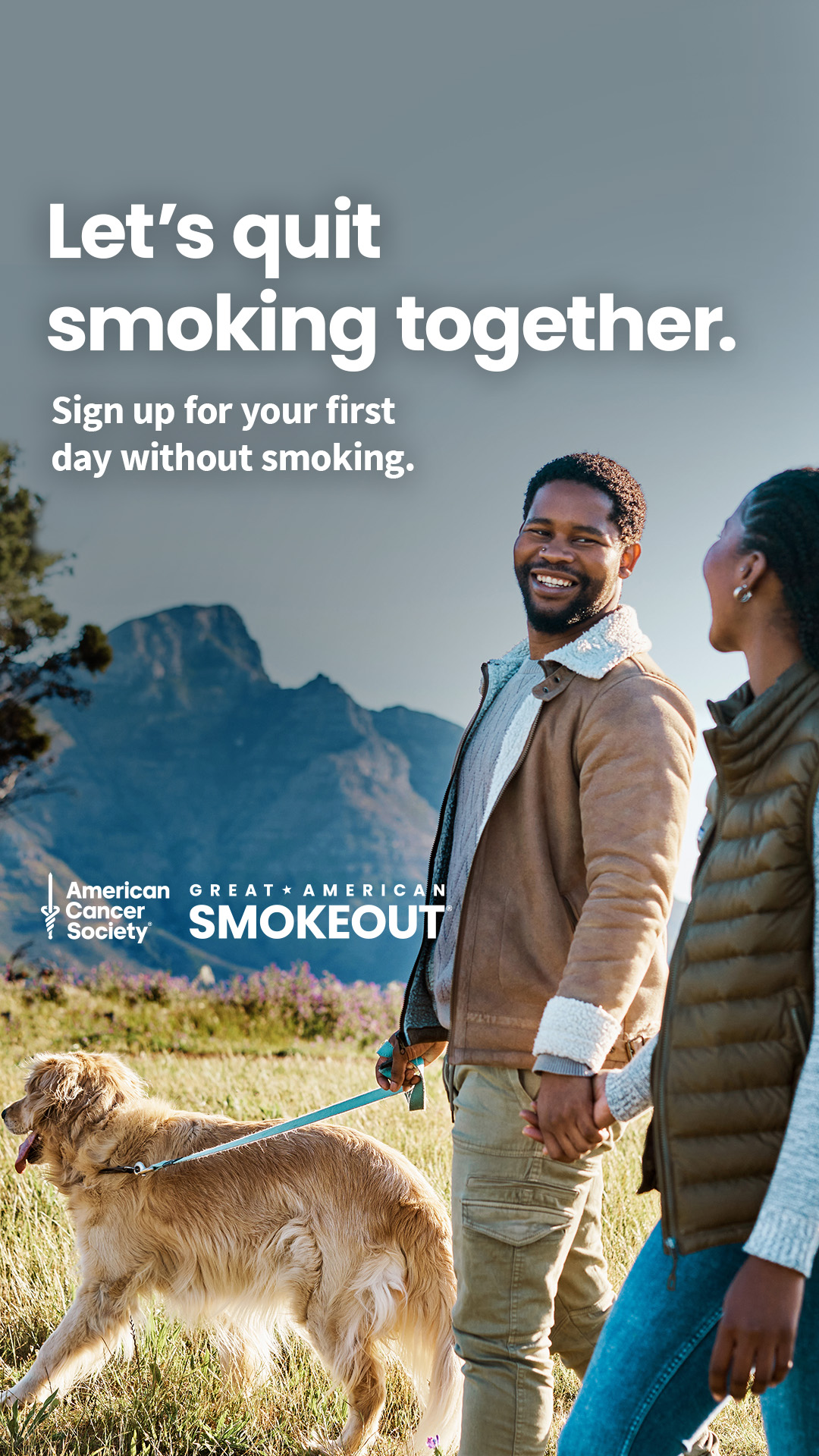
You don’t have to navigate the quitting process alone. Wisconsin residents have access to free, confidential resources.
Make November 19 Your Day One
You don’t need to have every answer or make every change overnight. Taking the first step, asking questions, or reaching out for support can put you on the path toward better health.
This Great American Smokeout, make a commitment to yourself and your future.
A healthier tomorrow can begin today.