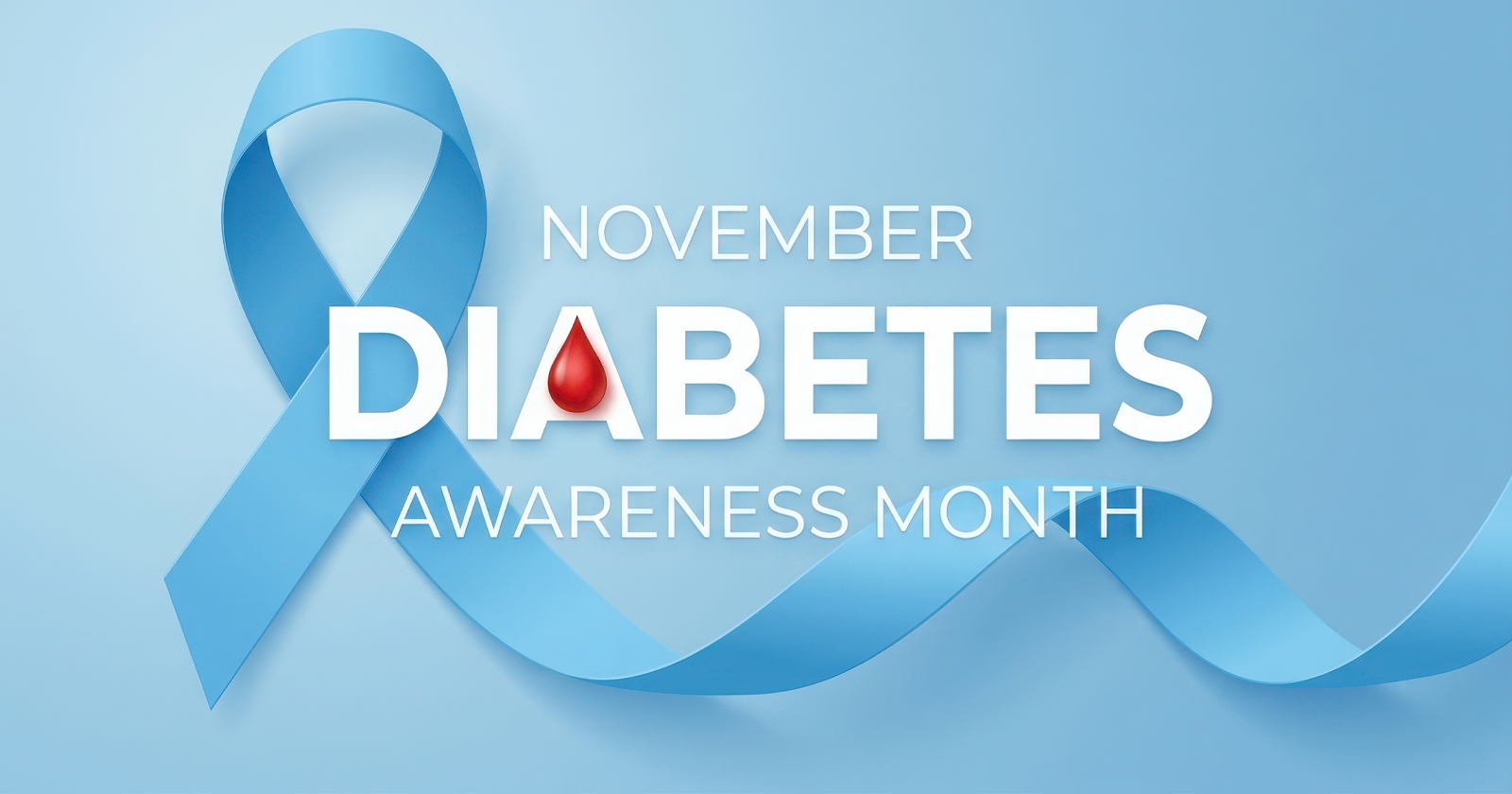
National Diabetes Month 2026: Take Charge of Tomorrow
November is Mes nacional de la diabetes, a time to raise awareness about diabetes, encourage early detection, and help individuals take steps toward better long-term health.
This year’s focus, “Take Charge of Tomorrow: Preventing Diabetes Health Problems,” emphasizes the importance of proactive healthcare, healthy lifestyle choices, and managing diabetes to reduce the risk of serious complications.
Diabetes can affect more than blood sugar levels. Without proper management, it can increase the risk of heart disease, kidney disease, vision loss, and nerve damage. The good news is that early detection, preventive care, and ongoing support can make a meaningful difference.
En Pillar Health y Kenosha Community Health Center (KCHC), we believe everyone deserves access to the education, resources, and personalized care needed to take charge of their health. Our integrated approach to medical, dental, and behavioral healthcare helps patients build healthier habits, manage chronic conditions, and work toward a healthier tomorrow.
Understanding Diabetes: Your Body’s Energy Balance
Your body depends on glucose (blood sugar) for energy. Insulin, a hormone produced by the pancreas, helps glucose enter your body’s cells. Diabetes develops when your body doesn’t produce enough insulin or cannot use it effectively, causing blood sugar levels to rise.
Over time, elevated blood sugar can damage blood vessels and nerves, increasing the risk of serious health complications.
The Three Main Types of Diabetes
The Latest Diabetes Trends in 2026
Según los CDC’s National Diabetes Statistics Report, diabetes continues to be a significant public health concern in the United States.
- 40.1 million Americans have diabetes, approximately 1 in 8 people.
- More than 1 in 4 adults with diabetes do not know they have the condition.
- 115.2 million American adults have prediabetes, representing more than 2 in 5 adults.
- Approximately 8 in 10 adults with prediabetes are unaware of their condition.
- 90–95% of diagnosed diabetes cases among adults are Type 2 diabetes.
These statistics underscore the importance of regular health screenings, understanding personal risk factors, and taking preventive action.
While diabetes can lead to serious complications, early diagnosis, lifestyle changes, and consistent medical care can help prevent or delay many diabetes-related health problems.
Small Steps Today Can Prevent Health Problems Tomorrow
Preventing diabetes complications doesn’t require changing everything at once. Consistent, manageable steps can make a meaningful difference.
Tome las riendas del mañana con Pillar Health y KCHC
During National Diabetes Month, begin taking proactive steps toward protecting your health.
Whether you’re concerned about your risk for Type 2 diabetes, have recently received a diagnosis, or are managing diabetes long-term, Pillar Health and Kenosha Community Health Center are here to help.
Our medical and behavioral health teams provide patient-centered care, preventive screenings, chronic disease management, and support for healthier lifestyles.
Schedule an appointment at one of our Southeast Wisconsin locations:
- Pillar Health – Kenosha Clinic: (262) 771-1700
- KCHC – 22nd Avenue Kenosha Clinic: (262) 771-0070
- KCHC – 2nd Street Silver Lake Clinic: (262) 771-1963
- Pillar Health – Racine Clinic: (262) 771-0035
Call 262-656-0044 to schedule an appointment.
Your future health begins with the steps you take today.
Conozca su riesgo y tome medidas
You may be at increased risk for Type 2 diabetes if you:
- Are 35 years of age or older.
- Are overweight or have obesity.
- Have a family history of diabetes.
- Have prediabetes.
- Are not physically active.
- Have certain health conditions, such as high blood pressure.
- Belong to a population with a higher prevalence of Type 2 diabetes.
Knowing your risk is an important first step. Talk with your healthcare provider about blood sugar screening and ways to reduce your risk.
You can also take the CDC’s Prediabetes Risk Test to better understand your risk factors.
The Diabetes ABCs: Protecting Your Long-Term Health
Managing diabetes means looking beyond blood sugar alone. Understanding your diabetes ABCs can help reduce the risk of complications.
A – A1C: A blood test that measures your average blood sugar over approximately three months.
B – Blood Pressure: Keeping blood pressure within your recommended range helps protect your heart, kidneys, and blood vessels.
C – Cholesterol: Managing cholesterol can reduce your risk of heart disease and stroke.
Work with your healthcare team to establish personalized goals and a plan to reach them. Learn more about preventing diabetes health problems through the National Institute of Diabetes and Digestive and Kidney Diseases.