
Mes de la Concienciación sobre la Salud Mental: Ve a la persona. Acompaña su camino.
Tema central del Mes de la Concienciación sobre la Salud Mental: Las palabras dan forma a la experiencia de la atención
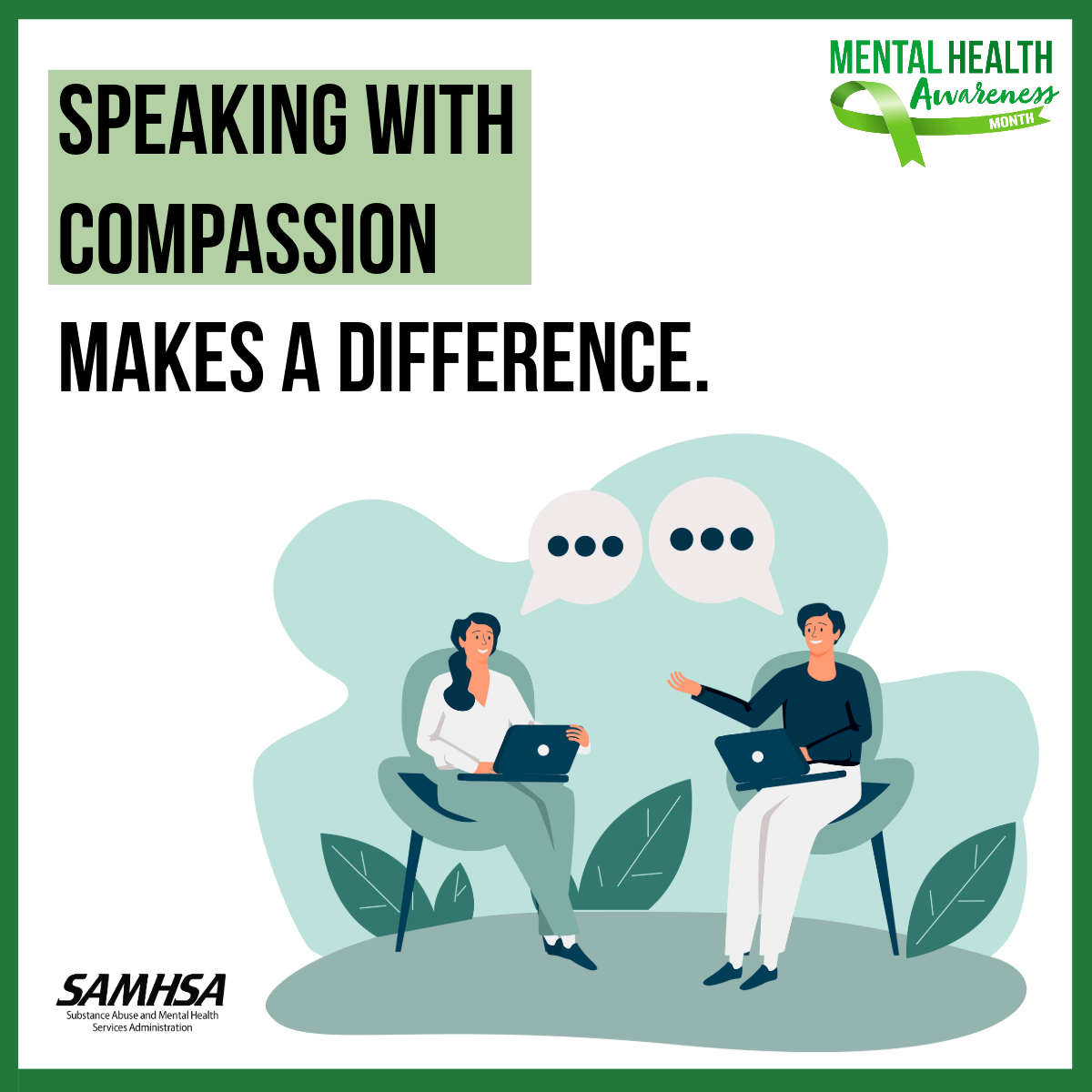
Durante el Mes de la Concienciación sobre la Salud Mental, gran parte del debate gira en torno a la concienciación. Pero la concienciación por sí sola no es lo que lleva a las personas a buscar atención. Lo que realmente marca la diferencia es cómo se trata a las personas cuando empiezan a plantearse pedir ayuda.
El lenguaje desempeña un papel fundamental en esa experiencia. La forma en que hablamos de la salud mental puede generar una sensación de seguridad o, por el contrario, reforzar las dudas. En Kenosha, Racine, Silver Lake y el sureste de Wisconsin, muchas personas siguen enfrentándose al estigma, la incertidumbre y el miedo a la hora de buscar apoyo en materia de salud mental. Las palabras que escuchan —ya sea de los profesionales, de sus seres queridos o de su comunidad— suelen determinar si dan ese primer paso.
Cómo el estigma sigue afectando el acceso a la atención médica
Aunque la concienciación va en aumento, el estigma sigue siendo uno de los principales obstáculos para el acceso a la atención de salud mental. A las personas les puede preocupar cómo las percibirán los demás, si sus inquietudes se tomarán en serio o si pedir ayuda es un signo de debilidad.
En el sureste de Wisconsin, estas preocupaciones pueden verse agravadas por obstáculos prácticos como el acceso al transporte, las limitaciones económicas o la incertidumbre sobre por dónde empezar. Cuando el estigma se suma a estos desafíos, puede retrasar la atención médica durante semanas, meses o incluso años.
Por eso el tono y el lenguaje que se utilizan en las conversaciones sobre salud mental son tan importantes. Cuando las personas se sienten juzgadas o menospreciadas, es mucho menos probable que se abran. Cuando se sienten comprendidas y respetadas, es más probable que sigan buscando apoyo.
Atención centrada en la persona: ver al individuo más allá del diagnóstico
En el centro de una atención de salud mental eficaz se encuentra un concepto sencillo pero poderoso: ver primero a la persona. La atención centrada en la persona se enfoca en el individuo, en lugar de definirlo por un diagnóstico o una afección.
Este enfoque reconoce que cada persona aporta sus propias experiencias, fortalezas, desafíos y metas al proceso de atención. Desvía la conversación de las etiquetas hacia la comprensión, y de las suposiciones hacia la colaboración.
En Pillar Health, esta filosofía es fundamental en la forma en que se brinda la atención. Los profesionales se toman el tiempo necesario para comprender no solo los síntomas, sino también el contexto completo de la vida de la persona. Esto incluye sus relaciones, su entorno y los factores que pueden estar contribuyendo a sus dificultades actuales.
Atención integral: más allá de los síntomas
La salud mental no es un fenómeno aislado. Está estrechamente relacionada con la salud física, los factores estresantes cotidianos y las circunstancias de la vida. Una persona que sufre de ansiedad o depresión también puede estar enfrentando inestabilidad laboral, problemas de vivienda o dificultades de salud física.
La atención integral reconoce estas conexiones y las aborda de manera conjunta. En lugar de centrarse en un solo aspecto de forma aislada, este enfoque tiene en cuenta el panorama general del bienestar de la persona.
Más información sobre los servicios de salud conductual
Al enfocar la atención de esta manera, los profesionales pueden elaborar planes de tratamiento más eficaces y sostenibles que favorezcan la estabilidad a largo plazo.
La atención integrada y por qué es importante
Otro elemento clave para una atención eficaz de la salud mental es la integración. Los problemas de salud mental suelen estar relacionados con el consumo de sustancias, y abordar ambos aspectos de manera conjunta permite obtener mejores resultados.
En Pillar Health, la atención integrada significa que se coordinan los servicios de terapia, asesoramiento y psiquiatría. Esto permite a los profesionales comunicarse de manera eficaz, armonizar los planes de tratamiento y garantizar que los pacientes reciban un apoyo constante.
Descubra los servicios de psiquiatría
Este enfoque reduce las brechas en la atención y ayuda a las personas a seguir comprometidas con su tratamiento a lo largo del tiempo.
La comunicación durante los cambios importantes de la vida
Los cambios en la vida pueden afectar significativamente la salud mental. Ya sea que una persona esté pasando por un cambio de trabajo, una situación de inestabilidad en la vivienda o un cambio en la dinámica familiar, estos momentos suelen ir acompañados de un aumento del estrés y la incertidumbre.
En estos momentos, la comunicación clara y empática cobra aún más importancia. Cuando las personas se sienten apoyadas y comprendidas, están en mejores condiciones de afrontar estos cambios y seguir recibiendo atención médica.
Los proveedores que dan prioridad a la comunicación contribuyen a reducir las interrupciones y a garantizar la continuidad, lo cual es esencial para el progreso a largo plazo.
Acceso a los servicios de salud conductual en el sureste de Wisconsin
Para las personas y las familias que buscan servicios de salud conductual en Kenosha, Racine o Silver Lake, el acceso a la atención médica supone un paso fundamental hacia adelante.
Encuentra un centro cerca de ti
Pillar Health ofrece servicios en múltiples centros para garantizar que la atención sea accesible y se adapte a las necesidades de la comunidad.
- Clínica Pillar Health de Kenosha: (262) 771-1700
- Clínica de la 22 Avenida de Kenosha: (262) 771-0070
- Clínica de la 14 Avenida de Kenosha: (262) 771-1688
- Clínica Silver Lake de la calle 2: (262) 771-1963
- Clínica Pillar Health de Racine: (262) 771-0035
Preguntas frecuentes

Encuentra ayuda cerca de ti
¿Busca servicios de salud conductual en el sureste de Wisconsin?
Crear una cultura de la compasión
El Mes de la Concienciación sobre la Salud Mental no se limita a crear conciencia. Se trata de generar un cambio duradero en la forma en que se entiende y se apoya la salud mental.
Ese cambio empieza por el lenguaje. Cuando elegimos palabras que reflejan empatía, respeto y comprensión, contribuimos a crear un entorno en el que las personas se sientan seguras a la hora de buscar atención médica.
¿Listo para dar el siguiente paso?
Cerca de su hogar, puede recibir una atención integral y compasiva.
Llame o póngase en contacto con un centro de Pillar Health o KCHC para dar los primeros pasos.
- Clínica Pillar Health de Kenosha: (262) 771-1700
- Clínica de la 22 Avenida de Kenosha: (262) 771-0070
- Clínica de la 14 Avenida de Kenosha: (262) 771-1688
- Clínica Silver Lake de la calle 2: (262) 771-1963
- Clínica Pillar Health de Racine: (262) 771-0035