

Mental Health Awareness Month: Connection Is a Powerful Form of Care
Mental Health Awareness Month: Moving from Awareness to Action
As Mental Health Awareness Month progresses, the focus naturally shifts from awareness to action. While understanding mental health is important, what truly makes a difference is how we show up for one another.
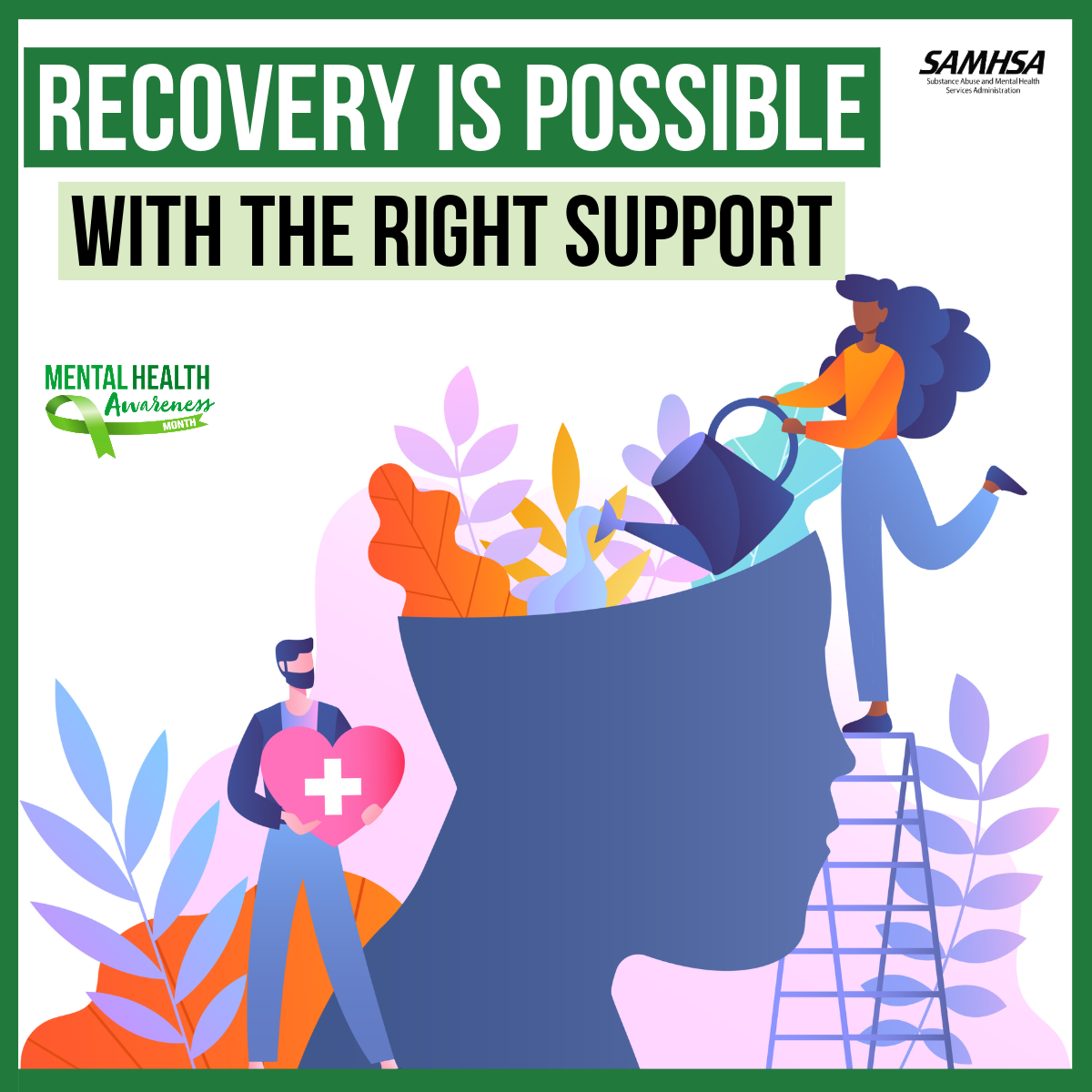
Supporting a loved one through mental health challenges is not always straightforward. It can feel overwhelming, especially when you are unsure of what to say or how to help. However, connection itself is one of the most powerful forms of care.
Across Kenosha, Racine, Silver Lake, and Southeast Wisconsin, families and caregivers play a critical role in helping individuals stay connected to support.
Understanding What Your Loved One May Be Experiencing
Mental health challenges can affect how a person thinks, feels, and behaves. They may experience anxiety, depression, emotional exhaustion, or difficulty managing daily responsibilities.
From the outside, these changes can sometimes be difficult to interpret. A loved one may withdraw, become irritable, or seem disengaged. It is important to remember that these behaviors are often symptoms, not choices.
Approaching the situation with empathy rather than judgment can help maintain trust and open communication.
The Importance of Listening Without Judgment
One of the most meaningful ways to support someone is to listen. This may sound simple, but it requires one to be intentional.
Listening without judgment means allowing your loved one to share their experience without interruption or immediate solutions. It means being present, even when the conversation is difficult.
When people feel heard, they are more likely to open up and seek further support. Your attention is needed at that moment.
Encouraging Care While Respecting Autonomy
It can be difficult to watch someone struggle and not intervene directly. While encouraging professional care is important, it is equally important to respect your loved one’s autonomy.
You can offer support by:
- Sharing information about available services
- Offering to help schedule an appointment
- Letting them know you are there when they are ready
This approach maintains trust while gently guiding them toward care.
The Role of Professional Support
While personal support is essential, mental health professionals provide the tools and structure needed for long-term progress.
Services may include therapy, counseling, or psychiatry, depending on the individual’s needs.
Explore Services:
Offering Practical Support
Sometimes the biggest barriers to care are not emotional, but logistical. Transportation, scheduling, and navigating healthcare systems can all be obstacles.
Offering practical help can make a significant difference. This might include driving someone to an appointment, helping them fill out forms, or simply sitting with them as they take the first step.
Setting Boundaries to Protect Your Well-Being
Supporting a loved one can be emotionally demanding. It is important to recognize your own limits and establish healthy boundaries.
Boundaries are not about distancing yourself. They are about ensuring that you can continue to provide consistent and meaningful support without becoming overwhelmed.
Finding Support in Southeast Wisconsin
If you or someone you love is looking for mental health support in Kenosha, Racine, or Silver Lake, Pillar Health offers services designed to meet individuals where they are.
- Clínica Pillar Health de Kenosha: (262) 771-1700
- Clínica de la 22 Avenida de Kenosha: (262) 771-0070
- Clínica de la 14 Avenida de Kenosha: (262) 771-1688
- Clínica Silver Lake de la calle 2: (262) 771-1963
- Clínica Pillar Health Racine: (262) 771-0035
No estás solo
Mental Health Month is a reminder that no one has to navigate mental health challenges alone. Support is available, and connection can make a meaningful difference.
Taking the first step—whether for yourself or someone you care about—can open the door to healing, stability, and hope.
Taking Care of Yourself
Caregivers often focus so much on others that they overlook their own needs. However, maintaining your own well-being is essential.
This may involve seeking your own support, whether through counseling, support groups, or simply taking time to rest and recharge.

FAQs
Find Mental Health Support Near You
Looking for counseling or behavioral health services in Southeast Wisconsin?
Explore Care Options
You Don’t Have to Do This Alone
Supporting someone you love can feel overwhelming. Compassionate care and guidance are available to help both you and your loved one take the next step.
No espere para programar su cita.
Kenosha Community Health Center tiene muchas opciones de citas en Kenosha y Silver Lake para satisfacer sus necesidades.
Haga una Cita