

Mantenerse activo es una de las formas más eficaces de proteger su salud a largo plazo.
El ejercicio regular favorece el corazón, los músculos, las articulaciones, los niveles de energía y el bienestar mental; y desempeña un papel importante en la prevención de enfermedades crónicas que afectan cada año a miles de familias en el sureste de Wisconsin.
En Pillar Health y KCHC, nos comprometemos a ayudar a nuestra comunidad a vivir bien, mantenerse activa y dar pasos significativos hacia una mejor salud. Antes de comenzar o cambiar cualquier rutina de ejercicios, hable con su doctor de cabecera para elaborar un plan seguro y personalizado que se adapte a su edad, capacidades y objetivos.
Llame a cualquiera de nuestras sedes para concertar una cita en el sureste de Wisconsin:
- Clínica Pillar Health de Kenosha: (262) 771-1700
- Clínica de la 14 Avenida de Kenosha: (262) 771-1688
- Clínica de la 22 Avenida de Kenosha: (262) 771-0070
- Clínica de la calle 2 Silver Lake: (262) 771-1963
- Clínica Pillar Health de Racine: (262) 771-0035
Entendiendo la condición física
Los fundamentos de la condición física no han cambiado, pero sí lo ha hecho la ciencia que explica cómo desarrollamos la fuerza, la resistencia y la salud a largo plazo. Hoy en día, la condición física no solo incluye el rendimiento físico, sino también la movilidad, el equilibrio y la salud metabólica, factores clave para prevenir caídas, controlar el peso, reducir el estrés, mejorar el sueño y disminuir el riesgo de padecer enfermedades como la diabetes y las cardiopatías.
Los cinco componentes clásicos de la condición física siguen siendo esenciales, y las investigaciones modernas continúan respaldando su papel en el bienestar de todo el cuerpo.
1. Fuerza muscular
La fuerza muscular es la capacidad del cuerpo para levantar, empujar y transportar cargas pesadas. Los músculos fuertes protegen las articulaciones, mejoran la postura y facilitan las tareas cotidianas.
Cómo entrenar para ganar fuerza:
Aunque las pesas pesadas siguen siendo una buena opción, los expertos en salud recomiendan ahora un enfoque equilibrado y funcional:
- 2-3 sesiones de fuerza a la semana.
- Movimientos multiarticulares como sentadillas, levantamiento de peso muerto, remo y press de banca.
- Pesas libres, bandas de resistencia, máquinas y ejercicios usando el peso corporal.
El entrenamiento de fuerza mejora el envejecimiento, la salud ósea, la resistencia a las lesiones y la movilidad a largo plazo.
2. Resistencia muscular
La resistencia muscular es la capacidad de seguir trabajando: caminar largas distancias, palear nieve, mantener una buena postura o permanecer activo durante toda la jornada laboral.
Cómo mejorar la resistencia:
La resistencia responde a ejercicios de mayor repetición y menor resistencia, tales, como:
- Entrenamiento de fuerza ligero (15-25 repeticiones)
- Entrenamiento en circuito
- Planchas, flexiones y rutinas con mancuernas ligeras
- Actividades como caminar a paso ligero, hacer senderismo o remar
Una mejor resistencia muscular significa más energía y menos fatiga en la vida cotidiana.
3. Resistencia cardiovascular
La resistencia cardiovascular refleja la capacidad del corazón y los pulmones para soportar actividades como correr, montar en bicicleta o nadar. Es uno de los indicadores más confiables de la salud a largo plazo.
Cómo mejorar la resistencia cardiovascular:
Las Directrices de Actividad Física de EE. UU. para 2025 recomiendan:
- 150 minutos de actividad aeróbica moderada a la semana, o
- 75 minutos de actividad vigorosa a la semana
Las evaluaciones de condición física más comunes incluyen:
- Carrera de Cooper de 12 minutos.
- Prueba de caminata de pasos o de 6 minutos.
- Lecturas de Consumo máximo de oxígeno VO₂ de relojes inteligentes y dispositivos de seguimiento de la actividad física.
Una buena salud cardiovascular mejora la energía, reduce la presión arterial y disminuye el riesgo de enfermedades cardíacas y derrames cerebrales.
4. Flexibilidad
La flexibilidad ayuda a que los músculos y las articulaciones se muevan cómodamente en todo su rango de movimiento. El entrenamiento de flexibilidad también incluye movilidad, equilibrio y estabilidad articular, aspectos fundamentales para prevenir lesiones y mantener la independencia con la edad.
Cómo mejorar la flexibilidad:
- Haga ejercicios de estiramiento diariamente (5-10 minutos).
- Añada yoga, pilates o rutinas de movilidad.
- Realice calentamientos dinámicos antes de los entrenamientos.
- Pruebe los estiramientos estáticos después del ejercicio.
- Controle la flexibilidad con pruebas de sentarse y alcance.
Incluso pequeñas mejoras pueden reducir las molestias, mejorar la postura y ayudarle hacia una vida activa.
5. Composición corporal
La composición corporal describe las proporciones de grasa, músculo, hueso y agua. Es mucho más significativa para la salud que el peso o el índice de masa corporal por sí solos.
Rangos actualizados de composición corporal saludable (2026)
- Hombres: ~10-20% grasa corporal
- Mujeres: ~18-28% de grasa corporal
Los rangos varían según la edad y el historial de salud individual. Su equipo de atención médica puede ayudarle a determinar qué es lo mejor para usted.
Por qué es importante la composición corporal:
Una composición corporal saludable ayuda a:
- Reducir el riesgo de diabetes
- Mejorar la salud cardiaca y metabólica
- Favorecer la movilidad
- Disminuir la inflamación
- Aumentar la fuerza y la energía
Las herramientas actuales (básculas de impedancia bioeléctrica, mediciones clínicas y relaciones entre la cintura y la altura) proporcionan una claridad mayor que nunca.
Comience su plan de bienestar con apoyo
Ya sea que esté comenzando su camino hacia el buen estado físico o buscando llevar su salud al siguiente nivel, no tiene por qué hacerlo solo. Nuestros proveedores de atención médica pueden ayudarle a elegir ejercicios seguros, controlar afecciones crónicas y crear una rutina que favorezca el bienestar a largo plazo.
Llame a cualquiera de nuestras sedes para concertar una cita en el sureste de Wisconsin:
- Clínica Pillar Health de Kenosha: (262) 771-1700
- Clínica de la 14 Avenida de Kenosha: (262) 771-1688
- Clínica de la 22 Avenida de Kenosha: (262) 771-0070
- Clínica Silver Lake de la calle 2: (262) 771-1963
- Clínica Pillar Health de Racine: (262) 771-0035
Factores adicionales de salud para tener en cuenta
Si bien los cinco componentes básicos de la condición física siguen siendo fundamentales, la ciencia moderna de la salud reconoce varios factores adicionales que desempeñan un papel importante en la prevención de lesiones, el control de enfermedades crónicas y la mejora de la calidad de vida en general. Estos componentes ayudan a cerrar la brecha entre el ejercicio, las funciones diarias y el bienestar a largo plazo.
Equilibrio y estabilidad
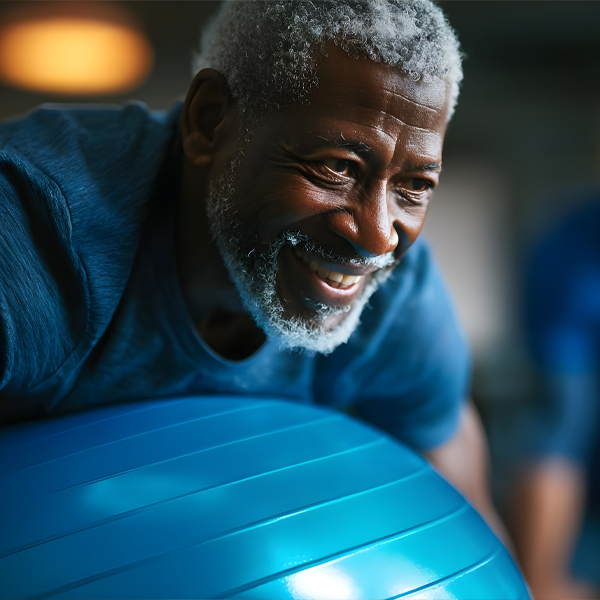
El equilibrio y la estabilidad determinan lo bien que controlas la posición de tu cuerpo, ya sea al caminar por una entrada helada, levantar materiales en el trabajo o bajar de un bordillo. En Wisconsin, donde las condiciones invernales aumentan el riesgo de resbalones y caídas, este componente del estado físico es especialmente importante. Incluso pequeñas mejoras en el equilibrio aumentan significativamente la confianza y la seguridad en la vida diaria. Incluso pequeñas mejoras en el equilibrio aumentan significativamente la confianza y la seguridad en la vida cotidiana.
Movimiento funcional
El movimiento funcional refleja la capacidad del cuerpo para realizar tareas cotidianas, como cargar el mercado, agacharse, estirarse, palear nieve, entrar y salir de un vehículo o realizar un trabajo físicamente exigente. La aptitud física moderna hace hincapié en moverse bien antes que moverse más. Los patrones de movimiento incorrectos pueden provocar dolor, rigidez y lesiones a largo plazo. Corregir pequeños problemas de movimiento a tiempo puede evitar años de molestias crónicas. El fitness moderno hace hincapié en moverse bien antes de moverse más. Los malos patrones de movimiento pueden provocar dolor, rigidez y lesiones a largo plazo. Corregir a tiempo los pequeños problemas de movimiento puede evitar años de molestias crónicas.

Recuperación y sueño
La recuperación ya no es opcional, sino que se reconoce como un pilar fundamental de la salud. Los músculos, el corazón y el sistema inmunológico se reparan y reconstruyen durante el descanso. Sin una recuperación adecuada, incluso la mejor rutina de ejercicios pierde eficacia. El sueño se considera ahora una intervención médica para la salud general. El sueño se considera ahora una intervención médica para la salud en general.

Bienestar mental
La salud física y mental están profundamente conectadas. El ejercicio regular es una de las herramientas más eficaces, y accesibles, para mejorar el estado de ánimo y reducir el estrés. Los profesionales de la salud suelen incluir la actividad física como parte de los planes de tratamiento para los trastornos del estado de ánimo, el estrés crónico y los trastornos del sueño.
Incorporar el ejercicio a tu rutina diaria es una de las formas más sencillas de proteger tu bienestar mental a largo plazo.

Panorama completo de la condición física
En conjunto, el equilibrio, el movimiento funcional, la recuperación y el bienestar mental ayudan a completar un panorama completo de la condición física. Cuando se combinan con los cinco componentes básicos, dan como resultado un ejercicio más seguro, un cuerpo más fuerte y una vida más saludable, a cualquier edad.